
Beginner Mistakes to Avoid on the DubaiExch247 Platform – A Complete Guide
Introduction
Entering the world of cryptocurrency trading can be thrilling, especially when you choose a user‑friendly platform like Dubaiexch247. However, excitement often leads beginners to overlook critical steps, resulting in unnecessary losses or account restrictions. This article outlines the most prevalent beginner mistakes on the Dubai Exchange 247 platform and provides actionable advice to help you start on solid ground.
1. Skipping the Complete Registration Process
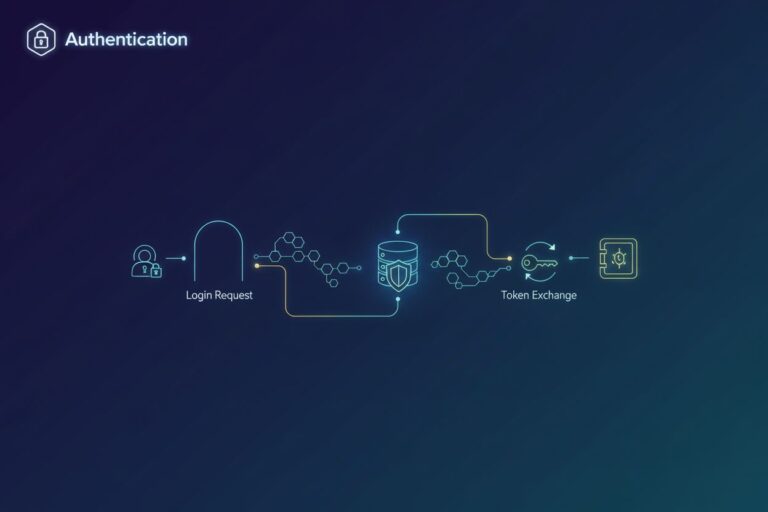
Many newcomers believe that creating a username and password is enough to begin trading. In reality, the platform requires a multi‑stage registration that includes email verification, phone confirmation, and optional two‑factor authentication (2FA). Ignoring any of these steps can trigger security flags, delay withdrawals, or even cause the account to be temporarily frozen. Take the time to complete each verification point before you attempt your first trade.
2. Overlooking Identity Verification (KYC)
The “Know Your Customer” (KYC) requirement is not just a regulatory formality; it protects both the user and the platform. Beginners often postpone uploading identification documents, assuming they can trade without it. The platform will restrict higher transaction limits and prohibit fiat withdrawals until KYC is approved. Prepare clear scans of your passport or national ID, a recent utility bill, and follow the instructions precisely to avoid rejections.
Key Tips for KYC Success
- Use high‑resolution images with no glare.
- Ensure the document is fully visible; do not crop edges.
- Match the personal details you entered during registration.
3. Ignoring the Platform’s Fee Structure
Every trade on DubaiExch247 carries a fee—whether it’s a maker/taker fee, withdrawal charge, or spread on certain assets. Beginners frequently overlook these costs, assuming they are negligible. Over time, unnoticed fees can erode profits, especially on small‑scale trades. Review the fee schedule in the “Help” section, calculate expected costs before each transaction, and factor them into your risk‑reward analysis.
4. Misunderstanding Leverage and Margin
Leverage is a powerful tool that amplifies both gains and losses. New traders often select the highest available leverage without fully grasping the associated risk. On a 10× leverage position, a 10 % adverse move wipes out the entire margin. Start with low leverage (e.g., 2× or 3×), and only increase it once you consistently demonstrate disciplined risk management.
5. Failing to Set Stop‑Loss Orders
A stop‑loss is a safety net that automatically closes a position when the market moves against you beyond a predefined level. Beginners sometimes rely on manual monitoring, which is risky in volatile crypto markets. By not using stop‑losses, a sudden price swing can lead to margin calls or forced liquidations. Incorporate stop‑loss orders into every trade plan, even if you intend to hold for the long term.
6. Trading Without a Defined Strategy
Placing trades based on hype, social media tips, or random guesses is a recipe for loss. Successful traders develop a clear methodology—technical analysis, fundamental analysis, or a hybrid approach. Document entry criteria, target levels, and exit rules before executing a trade. A disciplined strategy reduces emotional decision‑making and improves consistency.
7. Neglecting Portfolio Diversification
Putting all capital into a single cryptocurrency exposes you to idiosyncratic risk. Beginners often concentrate on popular assets like Bitcoin or Ethereum, ignoring the benefits of diversification across sectors (DeFi, NFTs, stablecoins) and asset classes (spot, futures, options). Allocate capital across multiple positions to balance potential returns with risk exposure.
8. Overtrading and “Chasing” the Market
When the market moves sharply, newcomers may open numerous positions in an attempt to catch the trend, a behavior known as overtrading. This can lead to fragmented capital, higher commission costs, and increased emotional stress. Set a daily or weekly trade limit, and stick to it. Quality beats quantity in a disciplined trading environment.
Practical Overtrading Checklist
- Define a maximum number of trades per day.
- Maintain a trade journal to record rationale and outcomes.
- Review each closed trade to identify patterns of impulsive behavior.
9. Ignoring Security Best Practices
The crypto space is a prime target for cyber‑attacks. Beginners sometimes reuse passwords across platforms, neglect software updates, or store private keys in unsecured locations. On Dubai Exchange 247, enable 2FA, use a strong and unique password, and consider a hardware wallet for large balances. Regularly audit your security settings to prevent unauthorized access.
10. Misinterpreting Market Signals
Technical indicators can be misleading when used in isolation. New traders may act on a single signal—such as a moving‑average crossover—without confirming with volume, trend strength, or broader market sentiment. Combine multiple indicators and always cross‑verify with news or macro‑economic events before committing capital.
11. Not Utilizing Demo or Test Accounts
Many platforms offer a sandbox environment where users can practice without risking real funds. Beginners who jump straight into live trading miss an educational opportunity. Spend time familiarizing yourself with order types, leverage settings, and the platform’s interface in a demo mode. This reduces costly errors when you transition to real capital.
12. Failing to Keep Records and Taxes in Mind
Cryptocurrency transactions are subject to tax regulations in many jurisdictions. Beginners often neglect to keep detailed records of trade dates, amounts, and fees. DubaiExch247 provides exportable transaction histories—download them regularly and consult a tax professional to ensure compliance.
Conclusion
Starting your trading journey on Dubai Exchange 247 can be rewarding, but only if you avoid the common pitfalls outlined above. By completing registration steps, adhering to KYC requirements, understanding fees, practicing disciplined risk management, and securing your account, you lay a robust foundation for long‑term success. Remember that continuous learning, methodical analysis, and vigilant security are the pillars of a sustainable trading career. Take each mistake as a learning opportunity, refine your approach, and watch your confidence—and results—grow.